What Travels With Every File You Receive

Files alone do not tell you much. You need to know what is in each one, how it was captured, and whether it arrived intact.
TLDR
- Every file carries a code tied to its task, prompt, and language
- Capture and environment notes ship with each file so you can filter and audit
- Consent and screening notes ship at export, with codes only and no names
- A per file manifest with checksums ties files, metadata, and multimodal sessions together
How does each file trace back to its task?
Every file arrives with a participant or session code. Never names. Never contact details. That code links straight to the work you asked for.
You can see
- the code for the participant or session
- the prompt, script, or scenario that produced it
- the language where it applies, including English, Hindi, Kannada, Telugu, Tamil, Malayalam, Marathi, and Sanskrit, plus more on request
- the annotation target it was made for
So your team can group by task, pull subsets for review, and trace a strange label back to the exact instruction that caused it.
Which capture conditions can you filter on?
We record how each file was made, in fields you can sort and filter.
You get
- device type and placement context
- resolution and format for video and stills, from HD to 4K
- mic setup and room notes for speech audio
- calibration and sync notes for depth, LiDAR, and sensor and radar streams
If a model dips on one device or one room type, you can find that slice fast. If you need to document your training mix, the fields are already there.
What environment and privacy notes ship with each file?
You also get context on where capture happened. Indoor, outdoor, controlled, and natural settings, with lighting, background, and ambient notes where they affect the data.
Privacy travels with the file too. You see consent status at export and the screening outcome for each file. If we redacted or excluded anything under your rules, that is noted as well. Identities stay in a private registry. You work with codes only, which makes compliance review a lot more concrete.
How does the manifest keep delivery honest?
The manifest is a per file record. It lists each file alongside its checksum, its metadata references, and its annotation status. Multimodal sessions group related streams under one session record, so video, depth, audio, and sensor components stay linked.
| What you check | Where you find it |
|---|---|
| Did every file arrive | File list in the manifest |
| Did any byte change | Checksum per file, compared on receipt |
| What produced this file | Task and prompt reference per file |
| Do streams belong together | Session record grouping all parts |
Compare checksums on receipt and you know right away if anything shifted in transit. Archive the manifest and you keep a durable record of what you approved, what landed, and how each file was described at delivery time.
Exhibits from our collection
item_number,track,review_status,reviewer_code,sha256
02d9e8da-...,Image,accepted,REVIEWER_0001,f2cf26e58570...
b9132ff4-...,Speech,accepted,REVIEWER_0001,7f475d58cc2e...
Exhibit 1 — Manifest excerpt: per-file verdict, reviewer code, and checksum. The full record adds task reference, prompt, language, capture conditions, and consent code per file.
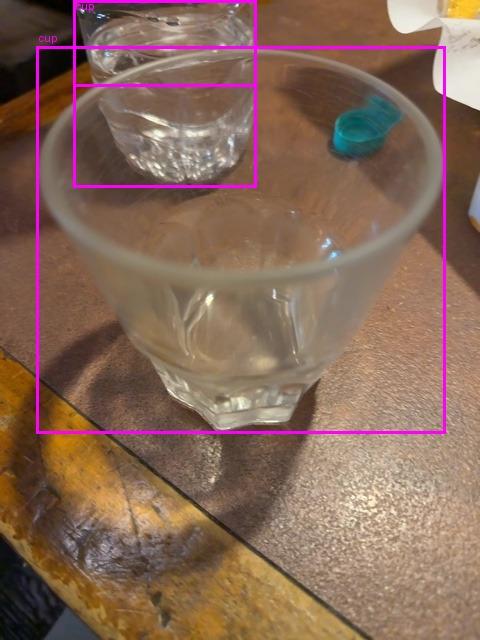
One annotation record the manifest points to:
{"id": 4852, "label_id": 1, "type": "rectangle", "frame": 0,
 "source": "manual", "occluded": false,
 "points": [239.39, 41.89, 288.73, 104.98]}
Common questions
Do we ever see personal details?
No. You see codes. Names and contact details stay in a separate private registry that never ships with the data.
Can we filter by device or setting?
Yes. Device, resolution, format, mic setup, calibration notes, and environment fields are all filterable. Pull a subset, test it, decide what to keep.
How do we confirm nothing changed in transit?
Run the checksums in the manifest against the files you received. A mismatch means something changed. A match means the file is byte for byte as shipped.
How do multimodal sessions stay together?
Related streams share one session record. If video shipped with depth and audio, the manifest shows all three under that session, with separate checksums for each part.
What to do next
Send us one task with your acceptance rules and your preferred mix of devices and settings. We will return a paid pilot with full metadata and manifest so both sides can judge fit before scaling. Request a pilot or Talk to us.
Related reads
Pair with from pilot to supply and how we annotate and QA.
Sources
- NIST FIPS 180-4, Secure Hash Standard — the SHA-256 behind the per-file checksums this post is built on.
- First-hand: process claims above describe our own pipeline. The exhibits are verbatim outputs — real manifest rows and a real annotation record — not illustrations.